
Training Volunteers Across Locations: How to Standardize & Scale

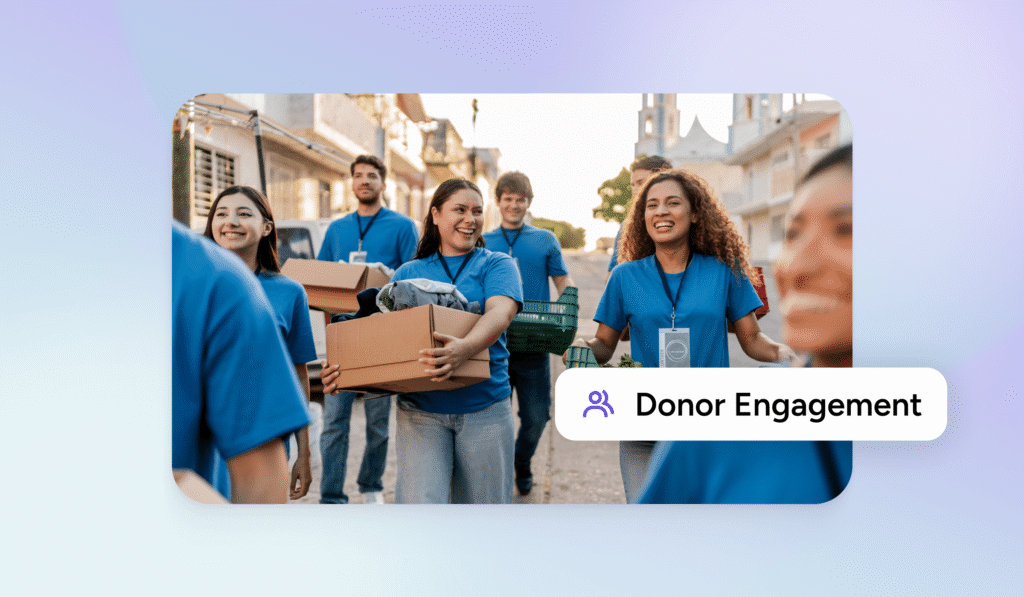
Volunteer are your mission’s frontline. Whether they’re helping at a food bank, supporting hospital staff, or greeting guests at a museum, they shape the public’s perception of your organization. But when your nonprofit operates across multiple sites, training every volunteer consistently without the right systems can be a logistical nightmare.
We’ll explore how to scale your volunteer training efforts effectively—ensuring every volunteer, no matter where they serve, is equipped, confident, and aligned with your mission.
The Challenge: Scaling Without Sacrificing Quality
When training isn’t centralized or standardized, volunteers can end up with vastly different onboarding experiences. One site may offer detailed safety protocols, while another provides only a brief overview. This not only leads to inconsistent service but can also put your organization at risk from an operations, reputation, or even legal perspective.
Common challenges include:
- Varying training quality and content across locations
- Diverse volunteer backgrounds and learning styles
- Disparities in resources like staffing, budget, and internet access
- Difficulty managing compliance, recertification, and documentation
Key Principles for Training Volunteers at Scale
To deliver consistent training across every location, your strategy needs to balance standardization with flexibility. Here’s how:
1. Create a Core Curriculum
Build a universal onboarding foundation that every volunteer must complete, regardless of role or location. This should include:
- Your mission and values
- Code of conduct and safety standards
- General operational procedures
Example: A disaster relief nonprofit might include a standardized safety module for all field volunteers, ensuring consistent awareness of emergency protocols.
2. Add Local and Role-Specific Layers
While core content should remain uniform, tailor additional modules for:
- Regional laws or cultural norms
- Specialized volunteer duties
- Facility-specific equipment or procedures
Tip: Use a modular training format so each site can plug in content relevant to their needs.
3. Use Technology to Streamline Delivery
A Learning Management System (LMS) makes training more scalable and trackable. With an LMS, you can:
- Offer on-demand access to materials
- Include interactive quizzes or videos
- Track completion and performance
- Automate training recertification alerts
Best case scenario is if your volunteer management system has built-in training options and workflows.
Support Systems for Long-Term Success
To ensure long-term success in scaling volunteer training, it’s important to appoint a training coordinator or oversight team. Even if this isn’t a full-time role, having someone responsible for maintaining training consistency is critical. This individual or team should focus on keeping materials up to date, answering volunteer and staff questions, and ensuring all locations remain compliant with training standards.
Additionally, implementing a “train-the-trainer” model can be highly effective. By equipping regional leads with standardized resources and coaching, organizations can maintain consistency while still delivering training with a personal touch.
Finally, blending online and in-person formats allows for flexibility and greater engagement. Many organizations benefit from a hybrid approach, using digital modules for core content while incorporating hands-on practice, team-building exercises, and volunteer Q&A sessions during in-person meetings. This balance enhances both learning outcomes and volunteer connection to the organization.
Measure What Matters
To improve training effectiveness over time, track key metrics such as:
- Training completion rates
- Volunteer retention
- Assessment scores
- Feedback surveys
Combine this with periodic audits to identify inconsistencies across sites and make targeted improvements.
Scaling With Purpose
Training volunteers at scale isn’t just about logistics—it’s about protecting your mission, improving service quality, and empowering people to serve with confidence. With the right blend of core standardization, local customization, and smart technology, any organization can achieve consistent, impactful training across all locations.
Want to transform your training standards?
Listen to our latest podcast episode where we dive deep into how to effectively train volunteers at scale. Tune into the episode now:



Download our guide to training volunteers at scale:
Struggling to keep your volunteer program organized? Discover what volunteer management software can do for your organization.