The State of Associations: What We Heard at ASAE Annual 2026

More than 100 educational sessions ran over four days at ASAE Annual 2026 in Indianapolis, and the Momentive Software team spent time not just at the booth but listening in on sessions, meetings, happy hours, and conversations with clients and prospects.
What we heard wasn’t one big idea. It was similar pressures showing up repeatedly across retention, engagement, credentialing, events, AI, and leadership sessions. Associations are being asked to do more with the same staff, prove more with the same budget, and modernize their systems faster and embrace AI in new ways.
Here’s what that actually looked like on the ground:
AI Moved from Experimentation to Productivity
A year ago, most AI sessions at association conferences were still explaining what a large language model is. This year, the questions got sharper. More than one session flagged a real tension: members can now get answers from AI faster than most associations can deliver them, and that gap is as much an opportunity as it is a threat to the traditional association business model.
The sessions that landed hardest weren’t the ones demonstrating an association chatbot.
They were the ones showing AI doing actual work: leaders across various functions reclaiming hours a week, with no new headcount, by letting AI handle routine tasks and take on specific jobs, like a membership assistant that flags renewal risk before it becomes a lost member and can act on it directly. These weren’t just revenue wins and time-savers for staff; they created room to engage more meaningfully with members. The real skill of the next five years isn’t picking tools; it’s deciding where AI is trusted to act and where a human still has to sign off.
The Tech Stack Conversation
This year, more sessions focused on unifying the systems associations already have to gain better insight into their own data. As AI capability becomes available to organizations of every size, the bottleneck isn’t access to new tools anymore. It’s whether the data underneath those tools is clean, connected, and trustworthy enough to act on.
What that unification actually unlocks is foresight, not just reporting. When event attendance, email engagement, learning activity, and community participation all connect, patterns become visible. A prospect who has attended two events but never joined, a longtime member who has quietly gone silent across at every engagement opportunity. These are retention and revenue issues hiding in the data and truly in plain sight. Until recently, catching them meant someone on staff had to notice them by hand, if anyone did at all.
AI changes what happens after the pattern is spotted.
It’s not just flagging that member faster; it’s acting on it: prompting the right outreach, surfacing the right offer, routing the right follow-up before that prospect or member drifts any further. That matters most for smaller associations, the ones without a dedicated data team or the bandwidth to build a custom dashboard. The same unified, AI-assisted insight that a large association gets from a team of analysts is now accessible to a three-person staff, and it shows up directly in retention numbers and non-dues revenue, not just in a nicer-looking dashboard.
Membership Strategy Is Becoming a Behavioral Science
Multiple sessions made the same uncomfortable case: members say they love the conference, and then a fraction of them actually show up. Backed by real behavioral and cognitive science, several speakers walked through why satisfied members still quietly drift away, and why static surveys miss it.
Can you replace typical member personas with a more flexible model that updates as real engagement data comes in? Across all of it, the same theme: the associations getting retention right are watching what members do, not just what they say in an annual survey.
Learning and Credentialing Are Being Rebuilt Around the Experience, Not Just the Letters
Some credentials are losing their automatic authority, and several sessions addressed that head-on rather than defending the status quo. The clearest theme is that the value of credentials now lies in the quality of the learning experience behind them, not in the certificates themselves. That shift is already occurring with creative associations increasing revenue by modernizing digitally, broadening access, and diversifying beyond exam fees. A third theme centered on microcredentials and changing learning preferences among emerging professionals, a sign that a single one-size-fits-all certification is giving way to more modular options.
Events Are Being Judged by What’s Still True a Year Later
Session after session made the case that attendance is not the same thing as impact. Speakers laid out frameworks for aligning business goals, audience needs, and experience design, and then actually measuring what happened rather than counting who showed up. That raises a bigger question worth asking about any event: what is it still worth a year after it ends? The associations getting real ROI from their events were the ones that planned for that difference from the start.
Belonging Became the Retention Strategy Nobody Had Budgeted For
A recurring thread tied several sessions together: associations keep adding programs, events, and courses, but connections among members don’t scale just because content does. That belonging gap doesn’t stop at the member experience. It shows up just as clearly inside the organization, in whether staff feel connected to the mission and to each other, and nowhere was that clearer than in Momentive’s own session.
Our Own Research Took Center Stage: Why Staff Are Still Looking for the Door
Momentive’s Tirrah Switzer, CAE, VP of Product Marketing, brought new award-winning research into the room during Your Staff Believes in the Purpose. So Why Are They Looking for the Door? was presented alongside Angel Baltimore, SVP of Information Technology at the National Apartment Association.
The research found that staff cite lack of budget for professional development as their top barrier to growth, but when asked to choose between more money and more development, they refuse to choose. They want both, and they see advancement as a shared responsibility between employer and employee, not a benefit granted by one side to the other.
Baltimore showed what that looks like in practice at NAA: a compensation structure with a standard cost-of-living increase for every employee, regardless of performance; a separate merit-based increase tied to organizational, departmental, and individual goals; and a team literally named People and Business Excellence.
For associations without that kind of infrastructure, her advice was refreshingly practical: a quarterly review costs nothing to run, and ASAE’s resources are open to any member association seeking development ideas, regardless of staff size.
The research also surfaced a skills gap worth planning around. When staff were asked which skills matter most over the next three to four years, data analytics and evidence-based practice ranked first, AI automation second, and digital literacy third. Underneath that, 82% of respondents agreed that inefficient or disconnected technology is contributing to burnout on their teams.
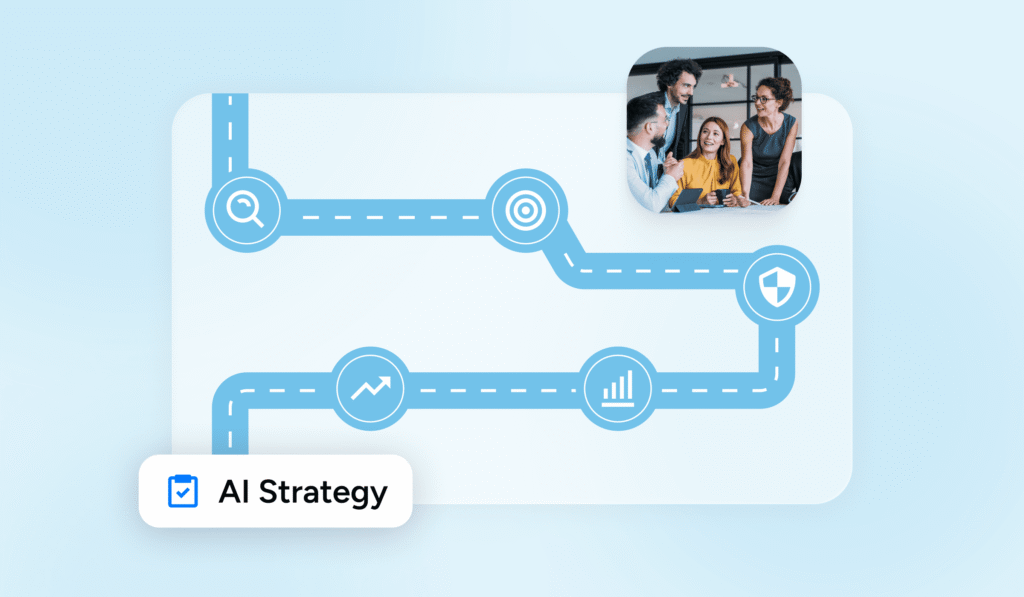
This number connects the workforce conversation directly back to the tech stack conversation happening everywhere else at Annual this year. Switzer framed the path forward through an AI maturity model running from early interest to AI woven into an organization’s operating DNA, with a point worth carrying home: the associations furthest along that curve aren’t skipping the hard problems underneath AI. They’re solving them while innovating on top of them.
What It Adds Up To
AI, technology, membership, learning, events, and workforce are all really the same conversation from a different angle: associations are being asked to prove value with fewer resources, to more skeptical members, in a faster-moving environment.
That’s the environment Momentive Software builds for every day, and it’s why being in the room for all of it, not just presenting from the stage, matters as much to us as showing up at the booth.
Struggling to keep your volunteer program organized? Discover what volunteer management software can do for your organization.