


Debbie Hedgepeth: The One Who Stays for Children in Foster Care

Meet Debbie Hedgepeth, Momentive’s 2026 Bring on Better™ Volunteer of the Year, who stays in the lives of children in foster care until their cases close.
Somewhere in South Central Missouri, a teenage girl who once believed she was too “dumb” for school now has a plan for college. She laid out every step of it for her CASA volunteer just last month, smiling the whole time.
Two years ago, Debbie Hedgepeth rarely saw that smile. The girl had grown up in a home full of arguing and alcohol, where she sat at the back of every classroom and was never called on. When she entered foster care, she could not keep up with her grade level, and she had already decided why. “My parents have said I’m just dumb,” she told Debbie. “I can’t be educated.”
Debbie answered without a moment’s pause. “I said, no, that is not true. You have lived in an environment that hasn’t allowed you to learn. And so, we’re going to work on that. And I believe in you.”
A Voice for Children Who Have None
Debbie came to CASA by way of a jury box. She was serving on a child abuse case when a CASA advocate took the stand, and as she listened, she realized that this advocate had been the only person to truly hear a frightened little girl. “This child had been telling lots of people what was going on, and no one was listening to her except for the CASA worker,” Debbie remembers. “I thought, wow, I want to do that.”
Debbie had no legal background. She had taught school and spent many years in banking, and she had carried a lifelong heart for kids and a few mission trips with her into retirement. She had just moved to a new town, and sitting at home was never an option. “I’m going to be boots on the ground,” she decided. Five and a half years later, she is a Senior Advocate with CASA of South Central Missouri, and she still carries cases of her own.
The One Who Stays
CASA stands for Court Appointed Special Advocate, and the name describes the job well. A judge appoints a volunteer to follow a child’s case, and that volunteer visits the child at least every four weeks, reports to the court, and keeps the caseworkers, the juvenile office, and the guardian ad litem informed. Debbie is currently following three cases and seven children.
What makes the role so important is how much shifts around a child in foster care. Caseworkers rotate and move on, and on one of Debbie’s cases, four different caseworkers came and went in only two years. The CASA volunteer is the one who remains. “We stay in their life until they are placed back with their parents, or they’re adopted, or they stay in foster care,” Debbie says. “We stay with that child until the case closes.”
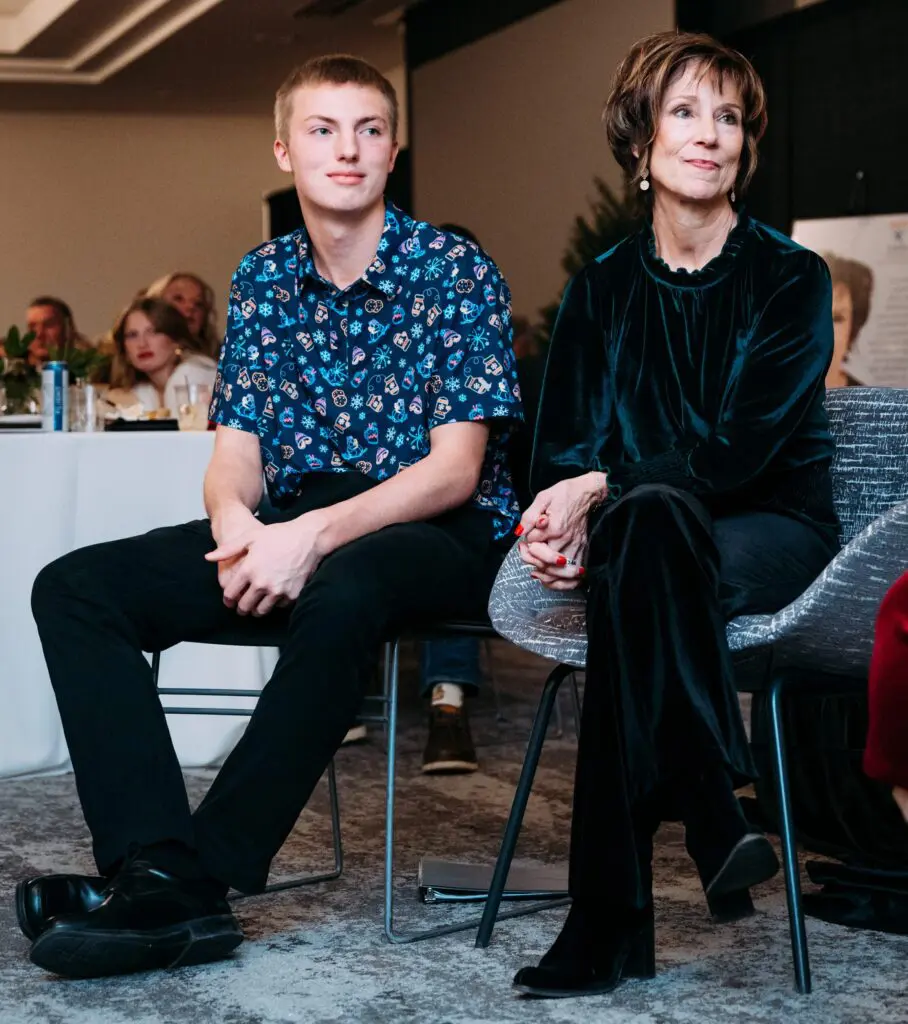
Sometimes that means speaking up when no one else will. One boy in Debbie’s care was afraid to return to a home where he had been hurt, even as the system worked toward reunification. He wrote a letter explaining how he felt, and Debbie read it aloud in front of the judge, who ruled that he did not have to see that parent. Debbie takes every word a child says seriously for exactly this reason. “A lot of people don’t believe them,” she says.
Celebrating Progress
The girl who thought she could not learn taught Debbie something about patience. For two years, every visit began with the same question about her grades, and the answer was usually C’s. To the girl, anything short of A’s and B’s felt like proof she was falling short. Debbie saw it differently. Those C’s were better than the D’s and F’s she had been bringing home, and they showed a student who was learning and improving with every report card. “I’m like, excellent, excellent. They’re not D’s. They’re not F’s,” Debbie told her. When the girl finally admitted she might want to go to college, Debbie told her she should, and that she believed she could do even better.
Last month, the girl, now a junior, shared a complete plan for her future. “Her face was always doom and gloom and I never saw her smile,” Debbie says. “And now she just beams from ear to ear.” Debbie believes a good education is what lifts a child out of the cycle their family has been stuck in, so she meets each child where they are and cheers on every small step. When a bad grade comes along, she reminds them that learning never stops. “You’re always learning,” she tells them.
Carrying the Hard Parts
Debbie is honest about how heavy this work can be. For her, the hardest moments come when parents choose not to fight for their children, and she sees disappointment on those kids’ faces. As a mom and a grandma, she finds that it never gets easier, and she still wrestles with what to say. She tells them the truth, then points them toward something better. “You have an opportunity to break the cycle in your family.”
It also hurts to watch children go home and be removed again, and Debbie knows the system is far from perfect. She keeps going back because of one idea that carries her through. “If I can change one kid’s life, then it’s always worth it,” she says. She tells every child she works with that they can call her day or night and that she will fight on their behalf. When the weight gets to be too much, she turns to fellow advocates, who talk through how they are feeling without ever sharing the details of a case.
Walking Alongside the Next Advocate
When Debbie started, CASA had no Senior Advocates to guide new volunteers, and she learned the hard way. Her very first case took her down a country road with no cell reception, to the home of a grandmother who did not want CASA involved. “I walk up to the house and let’s just say that I didn’t receive a very warm welcome,” Debbie recalls.
That memory shapes how she mentors today. Senior Advocates now accompany new volunteers on their first cases, help match them with cases that suit their experience, and check in every couple of weeks to see how they are doing. “We want to set them up to succeed and not fail,” Debbie explains. “We don’t want people to be alone out there.” Since CASA’s new leadership introduced this support, retention among volunteers has stayed well above 80 percent.
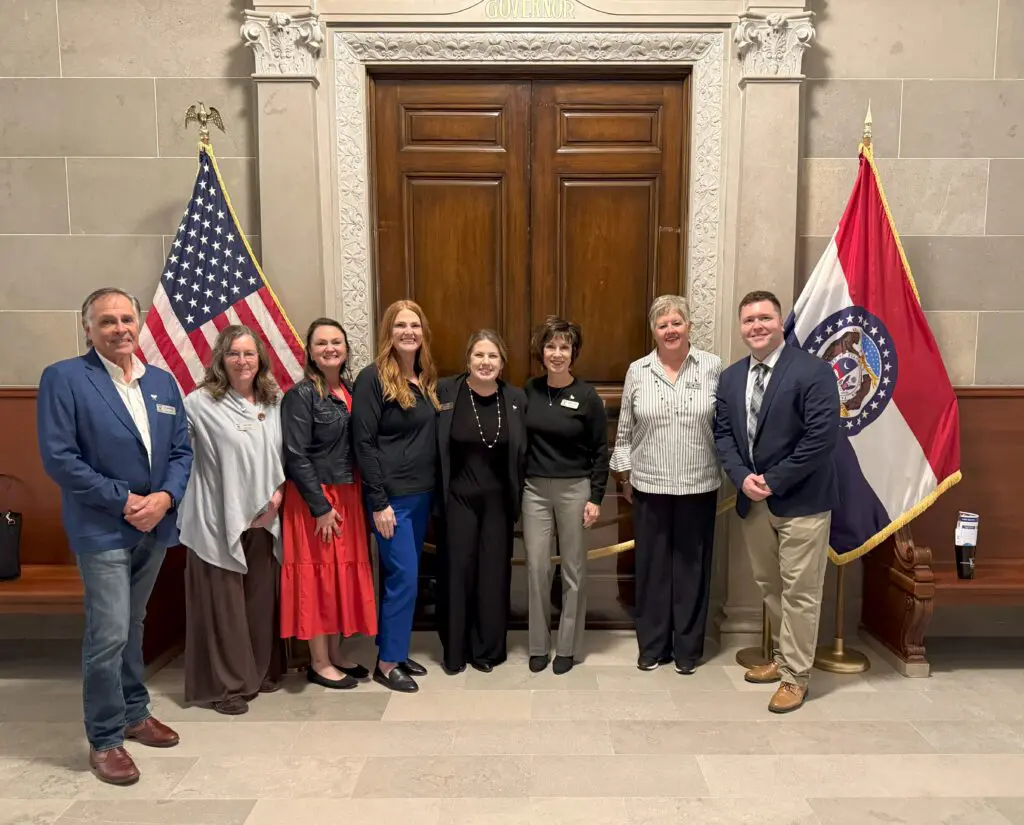
Debbie’s heart for children also extends to the very first hours of foster care. A child removed from home might arrive at the Children’s Division office with only a bag of clothes and wait at a desk while a caseworker searches for a foster home. CASA is building a space with a play area and volunteers who can keep children company during that wait, along with a small suitcase each child can fill with toys from CASA and take along.
Showing Up Wherever She’s Needed
Debbie’s volunteering reaches well beyond her own cases. She answers phones and stuffs envelopes at the CASA office, and she is often the first to ask, “How can I help?” at events across the community. She also volunteers with her local Dream Center, which serves many of the parents of the children CASA advocates for, so she now supports families from both sides. “I’m on both ends now,” she says.
She grew up in a poor home and put herself through school, and she hopes to see more people get that same chance. “It’s about the community I live in,” she says. “It’s about just showing up for people and being there for people.” Even after a case closes, she strives to keep in touch with the children she once advocated for.
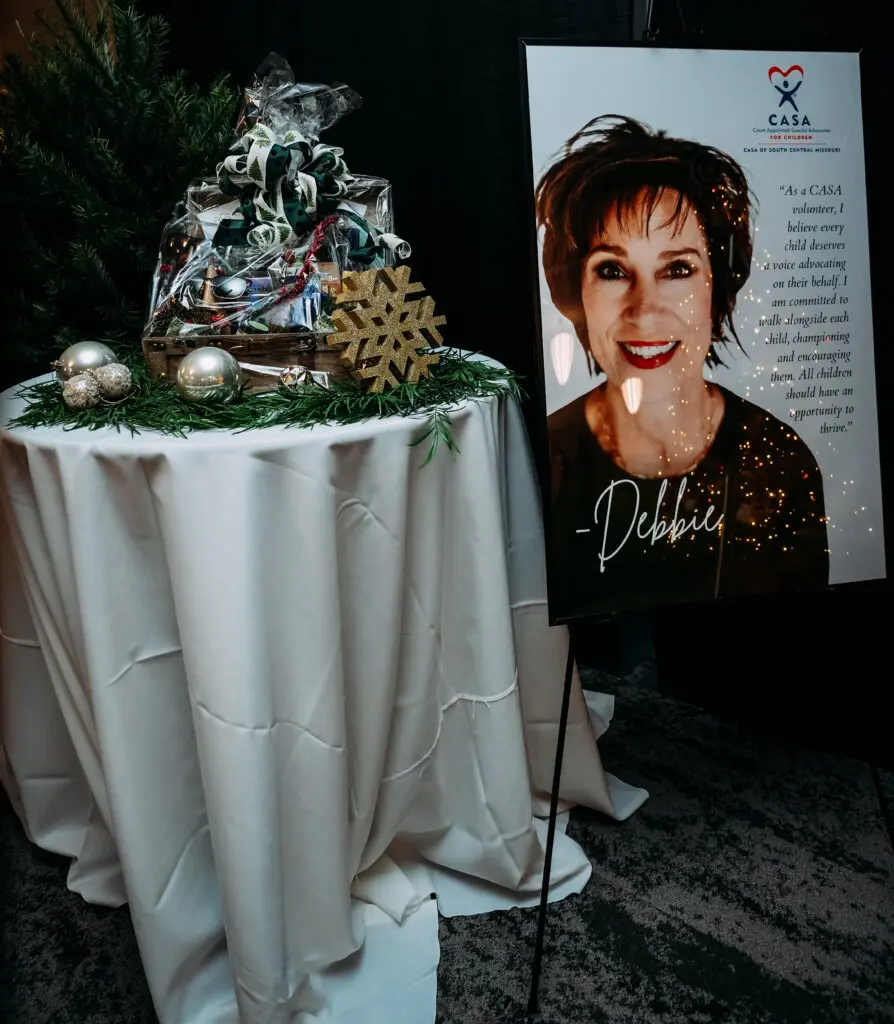
Debbie is our 2026 Bring on Better™ Volunteer of the Year, and much of what earned her the title happens in places most of us never see, from courtrooms to kitchen tables to the front seat of a car on the way to a visit. When the news reached her while she was traveling abroad, she assumed the email was spam. She had only checked in because she always wants to know if something is happening with her kids. “I don’t really deserve it,” she says. “I just do it because that’s my heart.”
At Momentive, we’re proud to support clients like CASA of South Central Missouri and to celebrate volunteers like Debbie, who give children someone they can count on.