Volunteer Appreciation Ideas

While most volunteers don’t show up for the recognition, approaching volunteer appreciation as a year-round practice (and not a once-a-year email blast) has proven to be one of the most successful volunteer retention strategies.
Focus on reducing friction and connecting volunteers with meaningful work. Whether you have 10 or 250 volunteers, prioritize streamlining their experience and matching them to roles that fit their interests.
Let’s discuss volunteer recognition ideas that go well beyond a thank-you card.
Say Thank You in Ways That Land
A mass email to 200 volunteers carries the same emotional weight as a form letter. Volunteers notice the difference between notes that acknowledge their specific contributions and those that don’t. It is crucial to incorporate as much personalization as possible.
Some volunteer thank you ideas that won’t burn out your staff include:
Send Personalized Thank-You Messages
To personalize your emails or handwritten notes, include references to the specific role the volunteer filled, the event they helped with, or the outcome their work contributed to. One sentence of specific detail changes the entire tone.
Recognize Gen Z Volunteers in Ways That Resonate
Gen Z does not resonate with the traditional volunteer appreciation banquets or plaques. The volunteer recognition that speaks most to Gen Z comes in the form of authentic, impact transparency, and digital shoutouts on social media platforms. This generation values sustainability, community, and positive change, so rewarding their time and volunteerism should affirm those values.
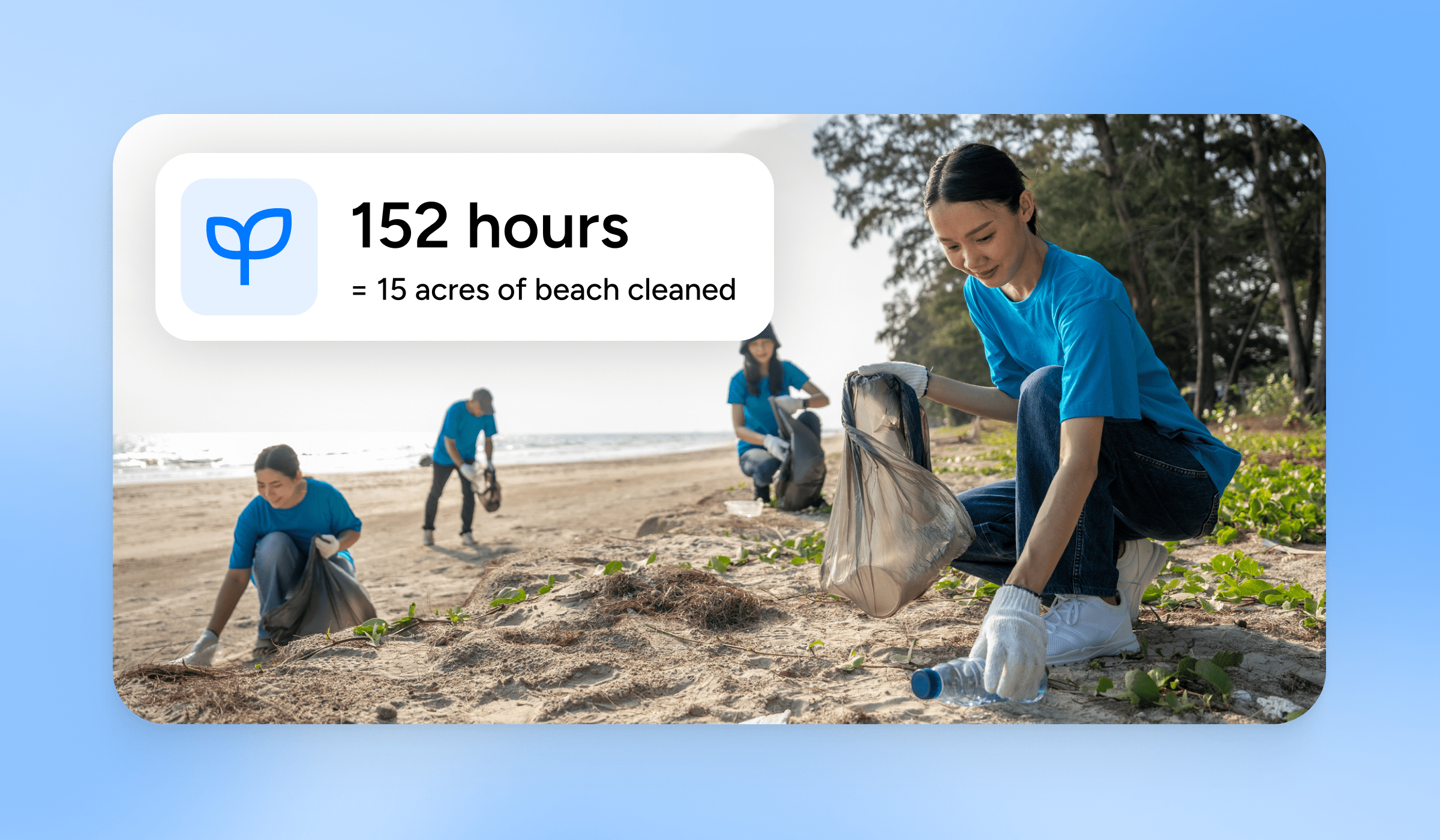
Recognize them on social media platforms like TikTok and Instagram, and show them the social impact they’ve had on your organization and cause (e.g., how many people have been helped, how much has been raised, how many trees have been planted, how many acres of beach have been cleaned, etc.).
Host Virtual Appreciation Events
Virtual events are increasingly replacing traditional appreciation dinners. Choose a virtual format—such as an award gala or a themed event—that fits with your organization’s mission and audience.
Digital award galas are one option, but virtual wine tastings, trivia, or team-building events have all proved successful. The cost is relatively low, typically consisting only of hosting services (potentially already included in your event management software), entertainment, and mailing items like awards or wine samples.
Other options include digital volunteer appreciation certificates, digital or social media shoutouts, and digital gift cards for appropriate venues or services.
Spotlight a Volunteer in Your Newsletter or Socials
Shout out your volunteers by name in organization-wide newsletters, on social media, and at fundraising events. One way to do this is to list the total hours contributed by your entire volunteer base, along with explicit callouts for standout contributors. This both recognizes these individuals and motivates others to get involved. A little friendly competition is great for non-profits.
This is a great option for nonprofit volunteer recognition programs, as it costs nothing.
Celebrate Milestones and Service Anniversaries
One path to maintaining volunteer engagement, similar to approaches for employee vs. volunteer recognition, is to recognize milestone anniversaries. A quick and easy step towards volunteer appreciation and retention is showing that you care and that you are paying attention to their time and effort.
Volunteer management software makes milestone tracking easy. From funds raised to hours served to campaigns participated in, the right software platform can track it all and notify you when someone’s milestone or anniversary is approaching.
Show Appreciation Through the Volunteer Experience
Event volunteers have to coordinate everything from registration tables and room assignments to exhibitor needs and last-minute changes. Giving event volunteers access to clear reports and ticketing/registration tools reduces confusion and frustration, which means a better experience for volunteers and attendees alike.
Preparation and tooling aren’t glamorous, but they’re among the most direct signals that your organization takes volunteer time seriously.
Match Volunteers to Roles They Actually Care About
The ASAE Research Foundation found that 31% of non-volunteers hadn’t volunteered simply because no one had asked. Most people who volunteer are satisfied; they just want opportunities that align with what they actually care about.
Use volunteer engagement tools to track interest areas and engagement patterns, so that you can match volunteers to projects and roles they’re more likely to find meaningful. Personalized outreach always yields the highest response rates.
Asking volunteers what types of work they haven’t been offered yet is one of the highest-yield questions you can include in a feedback survey.
Make Onboarding Smooth From Day One
A smooth onboarding experience signals to a new volunteer that your organization is organized and respects their time. A confusing, manual, or incomplete onboarding process signals the opposite.
Volunteer onboarding tools automate tasks such as background checks and document verification, so your volunteer coordinators can spend more time welcoming new volunteers and less time chasing down paperwork.
Respect Volunteer Time With Smart Scheduling
Scheduling chaos and last-minute changes communicates to your volunteers that their time isn’t valued. Respecting how volunteers spend their time is one of the most direct and effective forms of appreciation you can provide.
Volunteer scheduling software replaces manual processes by automating tasks like scheduling and sending reminders. Bonus: On many of these platforms, volunteers can manage their availability.
Give Volunteers Work That Actually Moves the Needle
Offer your volunteers work that is both mission-focused and leverages their individual skill sets (Gen Z tends to excel in advocacy and social media reach, while corporate types tend to excel in fundraising and peer-to-peer campaigns).
A surefire way to retain volunteers is to skip menial tasks, such as handing out flyers, and instead ask them to create their own grassroots outreach campaigns, identify trends, and use social media to attract more volunteers or new donors.
Aligning their work to the mission will keep your volunteers coming back. Another volunteer coordinator tip is to share the data with them. Show your volunteers how they’re moving the needle and offer them insight into how many families they’ve helped or how many miles of highway they’ve cleaned.
Offer Training and Growth Opportunities
Wondering how to appreciate volunteers without spending much-needed funds? Offer means to amp up their resumes. Give them LinkedIn recommendations or letters of recommendation. Pair them with other volunteers in your network who are also industry leaders or experienced professionals for career mentoring, or invite them to networking events with industry and community leaders.
Make Appreciation a System, Not a Moment
Recognition matters greatly, but what volunteers tend to remember most is whether the experience itself was worth their time. Did the role match their interests? Did the work feel meaningful? The best volunteer appreciation strategy involves examining the entire program from the volunteer’s perspective.
See how Momentive’s volunteer engagement tools support retention at every stage.
Build a Budget-Friendly Recognition Program
Budget-friendly volunteer appreciation programs are possible, built on organization-wide or digital recognition and praise, as well as micro-bonuses.
Recognition is an easy and inexpensive way to show your volunteers that you appreciate them. Dedicate a channel, hashtag, or email address for volunteer nominations and shoutouts. Then, choose the top ones to feature in your newsletter, on your social media pages, and/or during all-hands meetings.
When every penny counts, you don’t want to waste it on a reward that your volunteer won’t even use. Survey volunteers on their favorite treats or favorite coffee shop, so when the time comes to say “Thank you!” you’ll have spent those all-important funds on something that will truly be appreciated.
Lastly, never underestimate the power of a handwritten note. Having specific details to call out and showcase that you’ve been paying attention will go further than you think.
Ask Volunteers for Feedback and Act on It
Reinforce to your volunteers that you’re listening to them. An annual/quarterly survey or a quick check-in call with new and tenured volunteers can both surface problems early and make volunteers feel like stakeholders rather than laborers.
Useful questions to include:
- What is our organization doing well?
- What’s the most challenging or rewarding part of your role?
- What opportunities would you want that you haven’t been offered? This is the question most organizations skip, and it’s the one with the highest upside.
Follow up on what you hear. Volunteers who see their feedback reflected in changes are significantly more likely to remain engaged.
Build Appreciation Into Your Workflows Year-Round
Build appreciation into your workflows, not just your calendar. National Volunteer Week (the third week of April) is a useful prompt, but volunteer appreciation that only happens once a year doesn’t drive retention. The organizations with the strongest volunteer programs treat recognition as an ongoing operational practice.
A few ways to distribute the effort without burning out your team:
- Spread thank-you outreach across the week in between existing meetings and tasks rather than treating it as a separate project
- Involve board members and senior staff in direct outreach; it carries more weight than coordinator-to-volunteer messages
Show Volunteers Their Impact With Real Numbers
Show volunteers just how much their efforts matter with personalized impact reports that include their total hours served, dollar amount raised, and any tangible impact they helped to achieve.
You can take it one step further by calculating the value of their time or turning their hours into something more concrete. For example, “10 hours of service is equal to 1 acre of beach cleaned. So your 150 hours means 15 acres of a cleaner beach!”
Automate Recognition So Nothing Slips
Volunteer appreciation should be proactive, not reactive. Volunteer management software makes it easier to automate reminders, track engagement, and flag volunteers at risk of disengagement.
FAQs
Some of the best volunteer appreciation ideas include:
1. Personalized acknowledgment
2. Public recognition in newsletters, events, or social media
3. Interest-based opportunity matching for projects and tasks
4. Tools that reduce friction in their volunteer experience
5. Structured onboarding
6. Smart scheduling
Budget-friendly volunteer recognition involves presenting means to amp up their resumes or opportunities to network in the industry or community. Options include:
1. LinkedIn recommendations
2. Letters of recommendation
3. Pair them with other volunteers in your network who are also industry leaders or experienced professionals for career mentoring.
4. Invite them to networking events with industry and community leaders.
Newsletter and social media shoutouts are also free and often mean more to newer generations than traditional volunteer appreciation gifts.
National Volunteer Week is celebrated annually in the United States, Canada, the United Kingdom, Australia, and New Zealand to recognize the outstanding work of volunteers. Organizations honor volunteers to acknowledge the impact of their work in the broader community. The third week of April, National Volunteer Week celebrates the service of volunteers, highlighting the people and causes that inspire us to serve our communities. The actual dates change every year. For example, Volunteer Appreciation Week 2025 was April 20-26. Additionally, the entire month of April is celebrated in the United States as Volunteer Appreciation Month.
Instead of traditional volunteer dinners and galas, virtual volunteer appreciation ideas and events include:
1. Digital award galas
2. Virtual wine tastings
3. Virtual team trivia
4. Virtual team-building events
Other options include digital volunteer appreciation certificates, digital or social media shoutouts, and digital gift cards for appropriate venues or services.
Gen Z values sustainability, community, and positive change, so requesting and rewarding their time and volunteerism should affirm those values. Reach out to and recognize them on social media platforms like TikTok and Instagram, and show them the social impact they’ve had, or could have, on the cause (e.g., how many people have been helped, how much has been raised, how many trees have been planted, how many acres of beach have been cleaned, etc.).
Volunteer management software automates operational tasks, such as scheduling, onboarding, and time tracking, reducing volunteer frustration on the admin side. This type of software also shows engagement data to help you personalize outreach and identify volunteers who may be at risk of disengaging.
When the administrative overhead drops, volunteer leaders can focus on the work they signed up for. That’s a meaningful improvement to the experience, not just a nice-to-have.