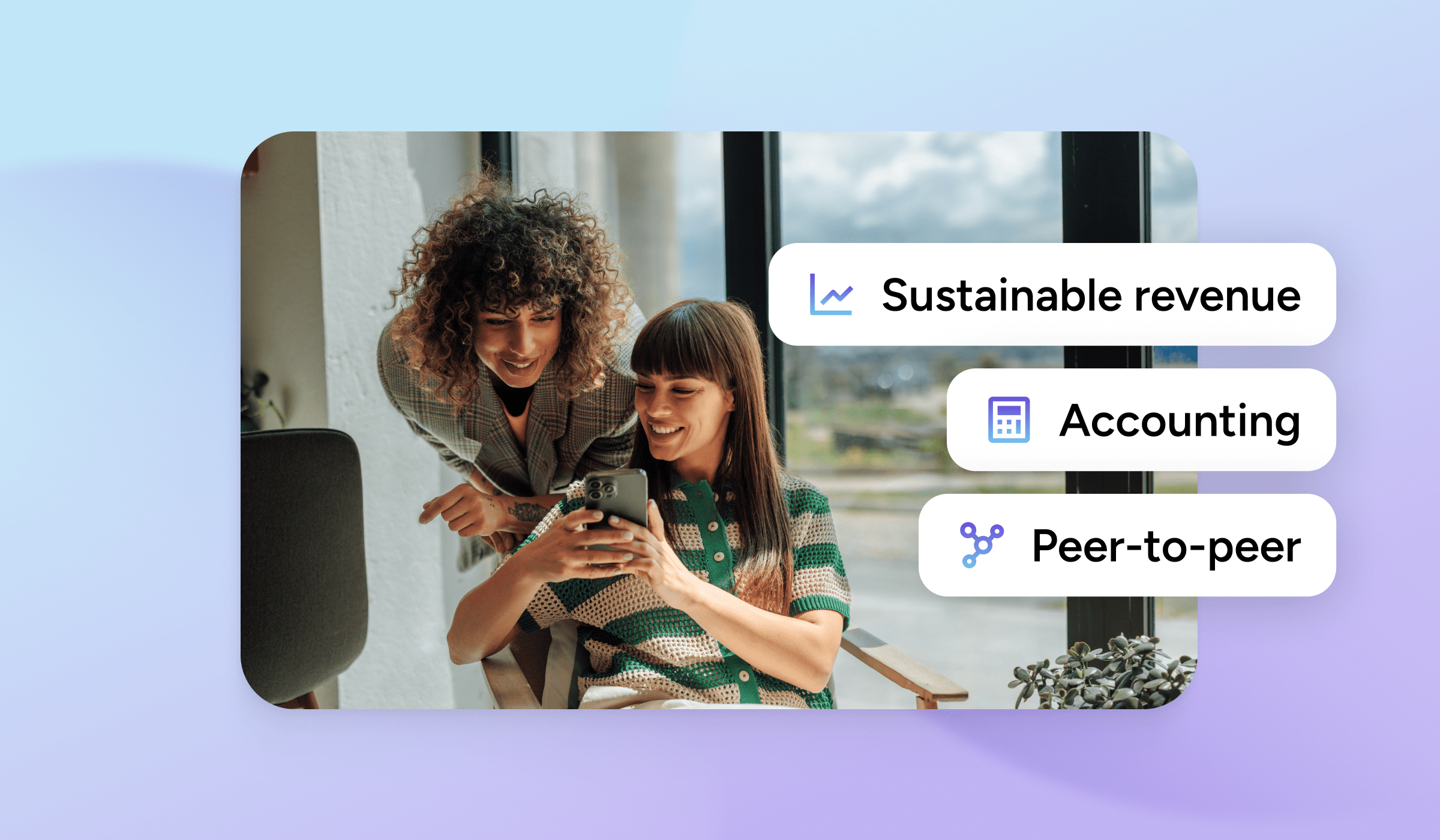
Walkathons can be powerful community events that not only raise funds but also foster a sense of pride, boosting your fundraising efforts among participants and encouraging your supporters to see their involvement as meaningful and impactful.
Walkathons have evolved and now have options to be completely virtual, or a hybrid of a live walk/run with added virtual participants. Your choice of in-person, virtual, or hybrid walkathon is dependent on several things, including weather, your location (size of your community as well as if there is enough safe area to host a walkathon), the audience/patronage of your nonprofit, and the timing of your fundraising goals (seasonal, etc.). This guide is your essential resource for walkathon planning, helping you tailor your approach from the start and enhance your event’s overall success.
What is a Walkathon?
A walkathon fundraiser is a fundraising event in which donors pledge to support participants who complete a specific distance or number of laps. Walkathon donors can use their donations to support participants in two ways.
- Helping participants reach a set goal: In this method, participants have already decided how many laps or miles they will walk, and are asking donors to support the process through donations. When they reach the milestone, they might continue to collect donations while keeping their goal the same.
- Setting a goal for participants: Alternatively, participants might choose not to establish a plan until the day of the event. Instead, they will encourage their friends and loved ones to sponsor them and use the amount they earn to determine how far they walk.
How Does a Walkathon Work?
This fundraiser type is classified as peer-to-peer fundraising. Participants create individual donation collection pages and share them online with friends and family. They might include their connection to your organization or your cause, helping build trust and emotional appeal with potential donors.
This fundraiser can be especially successful when participants decide to set a walkathon goal. You can also add incentives attached to the amounts raised. For example, if a participant raises $50, they get a free water bottle. You can have multiple incentive levels to challenge your more ambitious participants. If you don’t want to mail out items, you can still create a sense of competition and community with digital badges, social media callouts, or other virtual recognitions.
The Benefits of a Walkathon
Your organization can pursue multiple fundraising options, so you’ll need to weigh the potential pros and cons of each. A walkathon offers several advantages for organizations and participants, particularly when the goal is to boost engagement and retention. Some benefits of walkathons include the following.
- Improving event flexibility: Walkathons can accommodate a range of campaigns, causes, goals, and audiences to meet your organization’s unique requirements. You can customize the event as much as you need without losing central elements like walking and peer-to-peer fundraising. For example, some organizations hold remote walkathons, in which participants aim to reach a specific step count or distance from their locations rather than assembling in one place. This option has helped many nonprofits engage people and raise funds during the COVID-19 pandemic.
- Increasing cost-effectiveness: If you want to optimize your return on investment (ROI), a walkathon is a low-cost option. When hosting a walkathon, you can use almost any premises with a perimeter where participants can count laps or measure their distance. Some costs include T-shirts, water bottles, and other branded merchandise and marketing materials.
- Getting more individuals involved: Many of your organization’s loyal supporters might want to increase their involvement without over-committing. A walkathon allows them to fundraise, market the event, and participate on the day of, helping them feel more involved and engaged in your organization and your cause.
- Reaching new donors: Because your participants share donation pages with their families and friends online, you can extend your reach. They can access communities that are challenging for you to target or outside your marketing segment, like family members who don’t live in your region. Additionally, loved ones can show their support for their participants by sharing donation page links with their communities — further optimizing fundraising and reaching new donors.
- Optimizing fundraising: Peer-to-peer fundraising helps bring in more donations than other types. People are more comfortable giving money to people they know and trust, so your participants can earn more for their efforts. Additionally, the customization features of individual donation pages help increase emotional appeal and trust because potential donors can learn why participants love your organization or even better understand your impact and cause.
How to Organize a Walkathon
If you determine that a walkathon is suitable for your organization, knowing the steps to host and execute it can help ensure it runs smoothly and successfully. While walkathons are more cost-effective and require fewer resources than other events, you will still need to plan and set up adequately to maximize impact for everyone involved.
1. Walkathon Team, Assemble!
Before hosting a walkathon, you will need to gather a planning committee. The members might each take charge of a different aspect of your planning and execution, like marketing, volunteer management, and donation management. They should have experience and passion for your practice. Leadership and communication skills are vital, as they will need to manage and run their volunteer teams and update others on the planning board.
2. Walkathon Safety and Logistics
Once you have your planning committee together, you can collaborate to decide on the event’s central elements. Your planning initiatives will depend on these factors, shaping your timeline, task assignments, and volunteer activities. For example, deciding on your location can determine whether you need to reserve a venue.
Make sure you obtain any required public liability insurance and permits, and have participants sign liability waivers to mitigate risk to your nonprofit. Determine a secure, unrestricted route that minimizes traffic risks, and clearly label the route with signage or markers. And make sure you have first aid and water stations available.
3. Determining Your Walkathon Goals
All fundraisers share one essential element — raising money. However, you might want to use funds to inspire participants even more. The money can go toward funding a volunteer project, such as building houses, or toward a specific community.
4. Walkathon Names and Themes – Make it Memorable
Your marketing materials will impact your success. A catchy name will help individuals remember and identify your campaign and event. You can put this name on physical merchandise, such as T-shirts, water bottles, and keychains, that your volunteers can use to further your marketing efforts. When decorating your space, you can display the name so it appears in photos and post-event marketing materials.
5. Finding Sponsors for Your Walkathon
Event sponsors can help with many aspects of the event. If you have costs, their donations can help cover them, allowing you to optimize fundraising efforts. Sponsors can also contribute to the activities you want to offer at the walkathon. Many walkathons include raffles, food, and other attractions. Your sponsors can donate goods and services for quality activities that attract visitors and participants.
6. Walkathon Registration & Donation Forms
Once the logistics are in place, you must begin engaging your participants and donors. Developing the essential documents and pages can help you smoothly launch the peer-to-peer fundraising aspect of your event.
7. Recruiting Volunteers
As the event date approaches, you’ll have various marketing, sorting, and setup responsibilities. Volunteer teams can help you efficiently complete multiple processes while keeping your audience involved and engaged with your organization.
8. Marketing Your Walkathon
After developing your marketing materials, you must use them. Social media is powerful for reaching your various audiences and engaging members. You can use comments to answer questions and share resources. In peer-to-peer fundraising, a robust social media presence is essential when new donors research your organization.
Create a hashtag for your walk/run and use that on social media for any relevant posts. Encourage participants to use the hashtag as well, so you can follow their progress. Be sure to interact with participants online. Comment on their posts by congratulating and thanking them for making a difference.
9. Ready, Set, Go!
When the date arrives, you should be ready to host your event. Volunteers can help direct participants to various activities. Photographers can capture people in action for powerful future marketing material.
Virtual Walkathon Tips and Ideas
As we watched nonprofits adapt to restrictions imposed by the COVID-19 pandemic, we saw many creative solutions that are still being implemented today. While some in-person events were postponed or canceled, many organizations found ways to embrace change. They uncovered new fundraising opportunities, such as transitioning their in-person walks or runs to a virtual format where participants could run their 5K indoors or in their neighborhood.
With a virtual walk/run, embrace the creativity of new ways to do a familiar event. Every decision should be motivated by engaging with your participants and donors. That will foster a sense of community among participants and help them become even more involved. Here are some tips to adopt for your virtual walkathon:
- Be flexible on the walkathon’s length. Because you don’t have to worry about the logistics of a physical space, you can increase participation by allowing goals of any distance. A 5K can be overwhelming for some, but if they know that whatever goal they set for themselves makes a difference, you may find more people joining in.
- Adjust the span of the walkathon. Without the need for a physical space (streets shut down, etc.), you’re also able to expand the duration of the campaign. By having the virtual walk or run last for 1 week or even 1 month, you increase the chances that someone will join and participate.
- Promote the run/walk outside of your local area. Individuals who aren’t local to the walk or run can now join in and participate wherever they live. Even if you are still planning a physical walkathon/hybrid event, consider always including a virtual option to open your campaign to more potential participants.
- Send swag items. You can still incentivize supporters to participate by mailing them t-shirts, medals, or other swag. Or send digital bibs they can print out and wear, or finisher certificates they can print and hang.
- Live stream the event. You can use live streaming or pre-recorded videos posted online to encourage your supporters to register or make a donation. You can also post subsequent videos as updates on the campaign’s progress. Have your staff and volunteers create their own videos showing them walking or running. They can also briefly share why they’re participating to reinforce the walk/run’s purpose and build a sense of shared goals among runners across all areas.
Manage your Walkathon with GiveSmart
Accessing quality tools is essential when launching a fundraising event. Software solutions help nonprofit organizations leverage peer-to-peer fundraisers with donation pages that participants can customize while still upholding your branding standards. Volunteer and participant management features help keep your audience engaged throughout the campaign, leading to stronger events.
Our goal at GiveSmart is to help nonprofit organizations create and manage successful digital fundraising campaigns, raise more money, and retain donors longer. Momentive Software is your one-stop shop for P2P pages, registration, team fundraising, and volunteer management. Request a free demo with one of our fundraising experts to learn, step by step, how GiveSmart can help set up your campaigns while transforming your results.
FAQs:
How do walkathon pledges and peer-to-peer fundraising increase donations?
Peer-to-peer fundraising helps bring in more donations than other types of fundraising. People are more comfortable giving money to people they know and trust, so your participants can earn more for their efforts. Additionally, the customization features of individual donation pages help increase emotional appeal and trust because potential donors can learn why participants love your organization or even better understand your impact and cause.
What is the best way to promote a walkathon to boost participation?
Your marketing materials will impact your success. Come up with a catchy name to help individuals remember and identify your campaign and event. You can put this name on physical merchandise, such as T-shirts, water bottles, and keychains, that your volunteers can use to further your marketing efforts.
Social media is powerful for reaching your various audiences and engaging members. You can use comments to answer questions and share resources. With peer-to-peer fundraising, a robust social media presence is essential when new donors want to research your organization.
Create a hashtag for your walk/run and use that on social media for any relevant posts. Encourage participants to use the hashtag as well, so you can follow their progress. Be sure to interact with participants online. Comment on their posts by congratulating and thanking them for making a difference.
How do you choose a walkathon route, date, & location?
Decide on your walkathon event’s central elements. These initiatives will shape your timeline, determine task assignments, and establish volunteer activities. For example, choosing your location can help you decide whether you need to reserve a venue.
Keep up with the community events in the area to ensure you won’t face direct competition for participation, fundraising, or engagement. If another local nonprofit or charity is hosting its event on the same day, you’ll essentially be splitting everyone’s attention and therefore funds.
What swag or incentive ideas increase walkathon engagement?
This type of fundraiser can be especially successful when participants decide to set a walkathon goal. Also, a little friendly competition amongst peers never hurts! You can also add incentives attached to the amounts raised. For example, if a participant raises $50, they get a free water bottle. You can have multiple incentive levels to challenge your more ambitious participants.
What safety & logistics should nonprofits consider when hosting a walkathon?
1. Acquire any essential public liability insurance and necessary permits, and have participants sign liability waivers to mitigate any risk to your nonprofit.
2. Have a transparent, well-known emergency response plan, and ensure you include on-site first-aid personnel and supplies in your event planning.
3. Determine a secure, unrestricted route that minimizes traffic risks, and clearly label the route with signage or markers.
4. Supply water stations along the course.