
Exhaustion. Nearly 60% of mission-driven team members are seeking new job opportunities due to burnout stemming from inefficient technology.
Platform fatigue is being felt by the people who power missions. These professionals are not just managing programs; they’re working to bridge disconnected software silos, resulting in more time spent troubleshooting data than driving impact.
The question is no longer whether to integrate, but when to integrate and what the integration should look like.
Growing Platform Fatigue
The data is clear: when systems do not talk to each other, employees have to do the extra work. This creates the human bridge phenomenon, where mission-driven staff spend their days manually exporting CSV files from one system to another. According to The State of the Mission-Driven Workforce report, this technical friction is contributing to a 60% burnout rate.
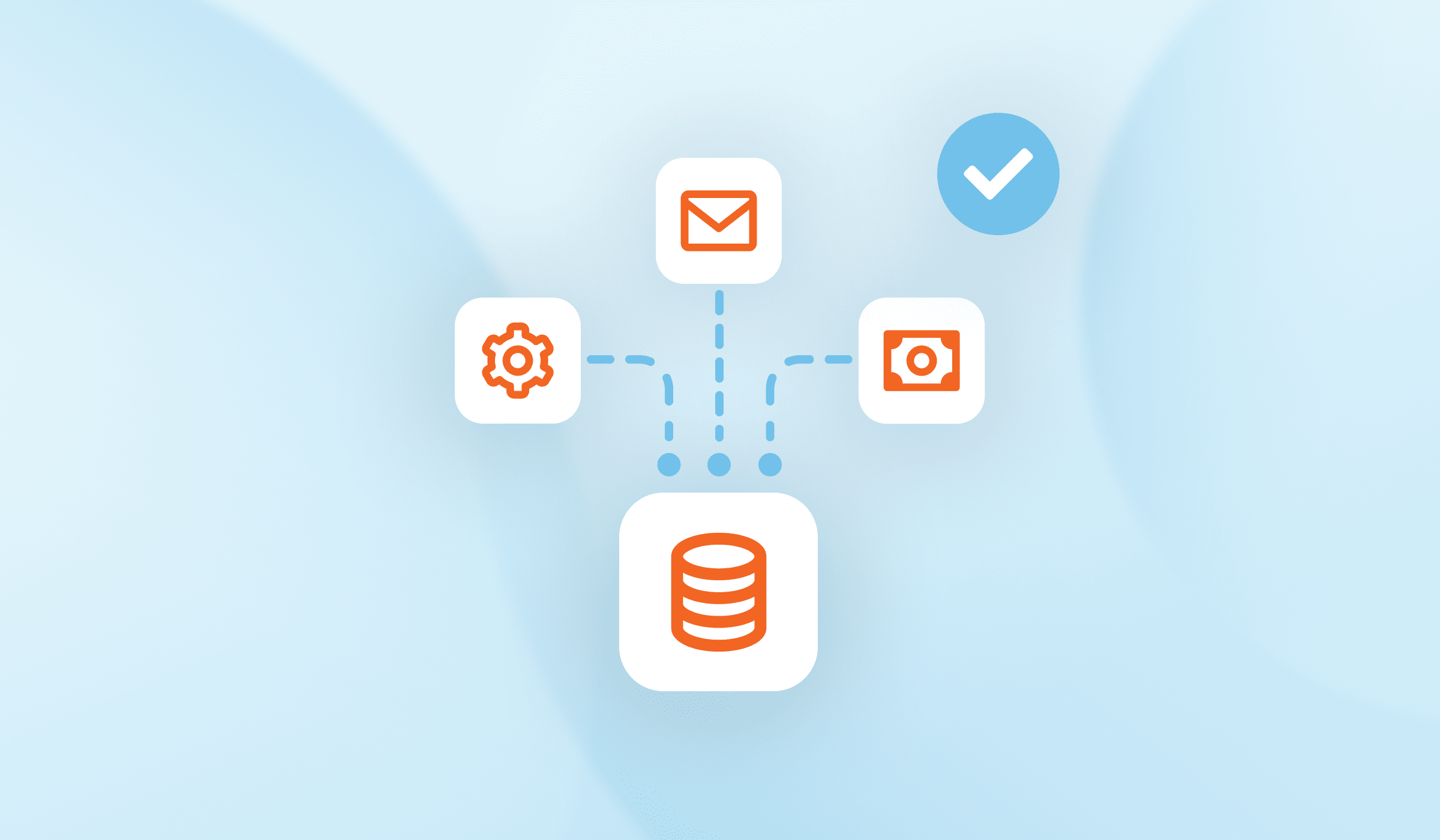
Platforms are everywhere and are constantly marketed to nonprofit and association professionals. While consolidation is needed, adopting a platform to adopt a platform isn’t a catch-all solution: the platform your organization adopts needs to be your nonprofit’s central nervous system.
Just as the nervous system integrates with every aspect of a human, your platform needs to not only consolidate systems but also integrate with other mission-critical tools.
If your team is juggling multiple systems, relies on manual entry, or is looking for ways to increase efficiency, your technology is key.
Solving for disparate systems begins by consulting your team. Too often, organizations stick with what’s working because it’s worked before. Just because you’re using the technology doesn’t mean it’s the best option available today. Ask questions like:
- What are the benefits?
- What are the drawbacks?
- What does support look like?
- Is the software regularly updated?
- Does the software feature cross-compatibility?
Once you have that feedback, it’s time to determine what consolidating solves. Whether that means sunsetting inefficient systems or looking for new vendors entirely, this process will take time, but the benefits are undeniable. Sunsetting these systems saves costs related to technology upkeep and improves efficiency by eliminating siloed, single-purpose systems.
From Connected Data to Collective Intelligence
With a single system established, your technology stops being a passive data storage container and becomes an active engine for organizational strategy.
Consolidation is often viewed through the lens of internal efficiency, but a platform rich with integrations offers a powerful, external benefit: the ability to harness collective intelligence. A truly integrated platform allows your organization to not only anticipate but plan for the future.
By unifying your technology ecosystem into a single intelligent experience, you can leverage automated workflows and AI-driven analytics to provide real-time visibility for executives and staff. Your employees go from manually manipulating information to asking strategic questions, like:
- How does our donor retention compare to similar organizations in our region?
- Are our administrative costs aligned with peers at our revenue scale?
- What next best actions and personalized suggestions are working for other mission-driven teams facing our exact challenges?
Putting aside technical dysfunction to adopting a platform rich with integrations is what will ultimately fight burnout.
By utilizing a platform with a deep library of intelligent tools, you eliminate the headaches of managing fragmented systems, all while having the tools that amplify your team’s efforts.
An integration-rich platform transforms a staff member’s role from a human bridge into a strategist, supported by a 360-degree view of engagement and the predictive power to make smarter decisions.
Reclaiming Your Tech to Reclaim Your Mission
Ultimately, technology consolidation is more than a technical upgrade; it is a talent retention strategy.
When nonprofits remove the friction of disconnected tools, your team gets back time and their purpose. By choosing a platform that prioritizes a deep integration ecosystem and collective intelligence, you aren’t just buying software; you’re investing in the people who make your mission possible.
Read The State of the Mission-Driven Workforce in 2026 now to uncover the priorities and concerns shaping association and nonprofit employees.