What Kind of Accounting Data Do You Need in Your CRM

If there’s one trend we’ve seen in the past year, it’s that CRM software is getting more comprehensive, and that includes things like real-time eCommerce integration. As you come to rely on your CRM more and more for every customer interaction — from marketing, to sales, to customer service — you may find yourself asking, “What kind of accounting data should be fed into my CRM to make these customer interactions even more seamless?”
As businesses become more customer-centric, they must be more agile and responsive to their customers’ needs quickly. To do so, the employees who use your CRM will need access to accounting data.
How much access? Let’s break down the requirements across marketing, customer service, and sales departments.
For Marketing
From a traditional marketing perspective, there isn’t a lot of accounting data that you need. Typically, on that front, marketers segment customers based on other categories, such as industry or purchasing habits. However, as traditional sales and marketing roles evolve to adapt to the new reality of a customer-driven sales process, marketers may find that they require more access to accounting data to drive their efforts effectively.
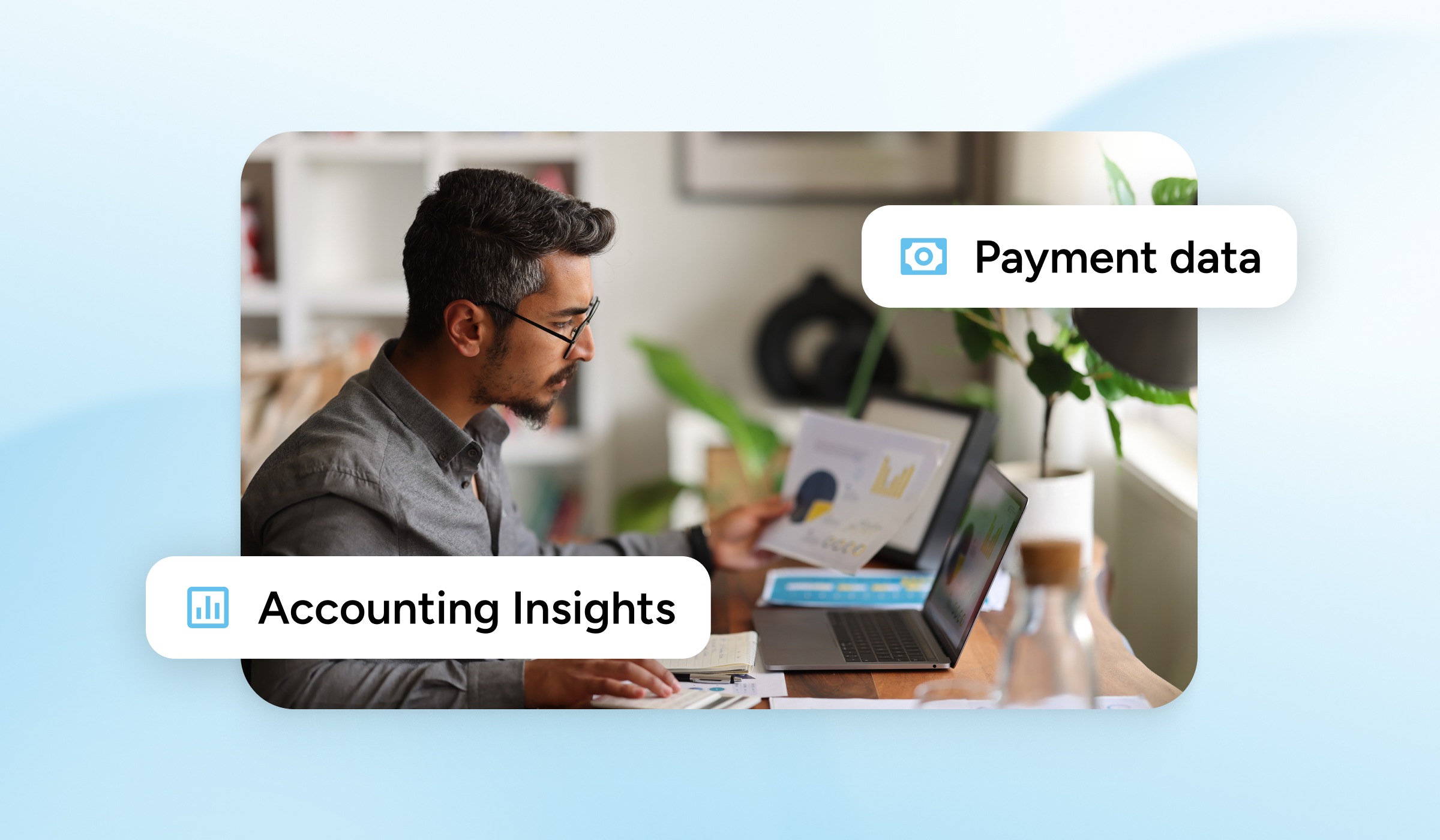
In addition, as business models shift to accommodate smaller recurring and add-on transactions, it is not enough to simply know that you have a customer; you also need to know what else they have purchased from you and when. In some industries, it is also essential to know how quickly you are paid for your products and services. So historical payment data, which is not readily available in systems like Microsoft CRM, can be critical information for your marketing team.
For Customer Service
On the customer service side, if a customer is calling in, they’re typically doing so because they’re either experiencing a problem with your service or have a billing question, or sometimes both–especially if you offer several small product upgrades or add-ons. If they have a billing question, they need whoever they’re talking to from a customer service standpoint to have as much information about their account as possible. What invoices are there on the account? What invoices are currently outstanding? What payments have been made, how have they been applied to invoices on your account, and how were those payments made? Etc.
Why is having all this information so important? Let’s say a customer calls in. They want a customer service representative to be able to say, ‘This is what you paid, this is what you haven’t paid, this is how you paid,’ and even more critically, ‘if you want to pay right now, I can help you do that.’ As businesses become more agile and customer-centric, customers expect them to either be able to process a payment over the phone or make a payment immediately through a customer-facing portal while the customer service representative is still on the line.
They don’t want to be put on hold and transferred to another department if they want to make a payment; such customer interactions are the old bureaucratic way of doing business and do not leave customers with a good impression of your firm. This is where payment data and eCommerce functionality can add significant value to your CRM system.
For Sales
Like your customer service staff, your sales team members may need to conduct real-time transactions with customers, depending on the value of the products or services you are selling. There’s no better close to a sales effort than actually collecting the money.
Sales staff may also want to review operational accounting data, as this can help them answer questions when a customer returns to them about the status of their order. If your business sells professional services or other time-based services, it may be important for your sales team to see how much revenue has been recognized and when. This way, when they discuss additional sales opportunities with the customer, they can address any questions the customer may have about their current contracts.
What Accounting Data Don’t You Need In Your CRM?
While your CRM needs to contain some accounting data, a CRM should not be able to replace your accounting software. You don’t want to have so much data in your accounting system that your employees are confused by what is relevant and what isn’t.
So, what accounting data don’t you want in your CRM? Well, all the categories listed above fit squarely on the revenue side of the equation. There are very few instances in which your marketing, customer service, or sales staff will need access to your company’s expenses to have effective customer interactions. For example, it’s irrelevant to a customer service rep what it costs to rent office space or to make payroll. And at no point will anyone on your sales and marketing staff need to know what your business owners’ equity and liability accounts contain.
As the customer user experience becomes more frictionless, your CRM will be expected to remove much of that friction, and it won’t be able to do so without access to accounting data. Not only will it enhance the customer experience, but most customers have now come to expect it.